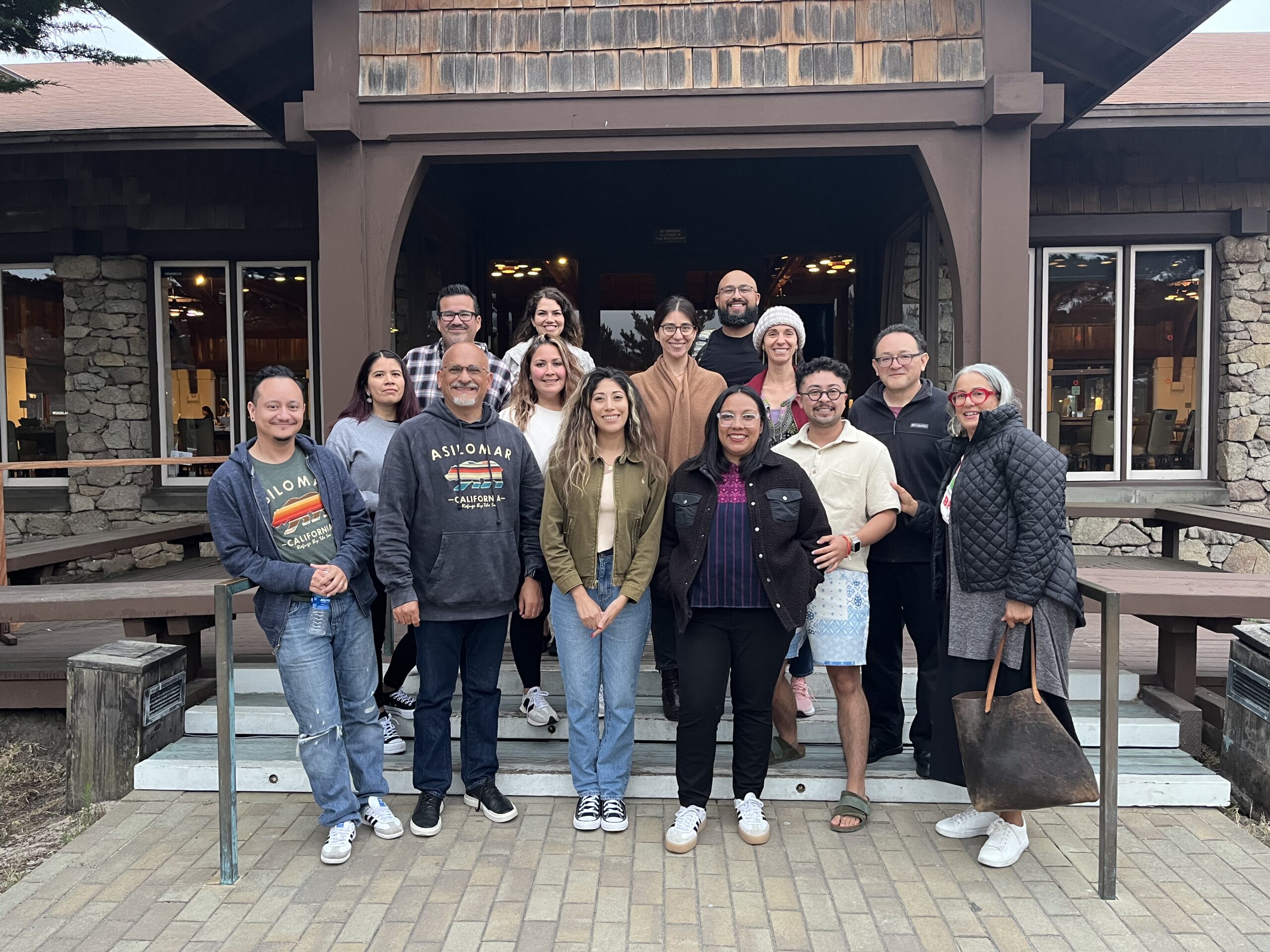
Migrant Bioprecarity: Latinx Lives and Embodied Vulnerability, a volume I’m co-editing with Jonathan X. Inda, provides a critical perspective on Latinx migrant bioprecarity, the differential susceptibility of migrant life to both biological and biographical damage and destruction.
Working in a variety of disciplines and fields and drawing on a range of methods and sources—for example, ethnography, auto-ethnography, textual and visual analysis, performance studies, documentary analysis, statistics, and history—the 15 contributors to Migrant Bioprecarity explore the limits and potential of undocumented Latinx migrant life in the twenty-first century. Shared concerns include the intersection of illegality and precarity and the ways they compound one another in migrant life, death, and the spaces in between. Our volume shows how the condition of illegality negatively impacts migrants’ bodies and lived experience; how those migrants are differentially exposed to bodily harm, such as susceptibility to illness, physical violence, workplace injuries, and the wearing down or devitalization of the body; and how lack of papers and fear delimit undocumented migrants’ everyday lives. We maintain that undocumented migrants’ lack of authorization to be in the space of the nation-state constitutes structural, slow, and compounded violence that prevents those migrants from being full members of society and renders their lives unworthy of grief.
Forthcoming from Duke University Press in 2027 as the inaugural edited volume in the Aberrant Borders series, Migrant Bioprecarity grows out of a research group supported by the Andrew W. Mellon Foundation and the Crossing Latinidades Humanities Research Initiative based at the University of Illinois Chicago.